
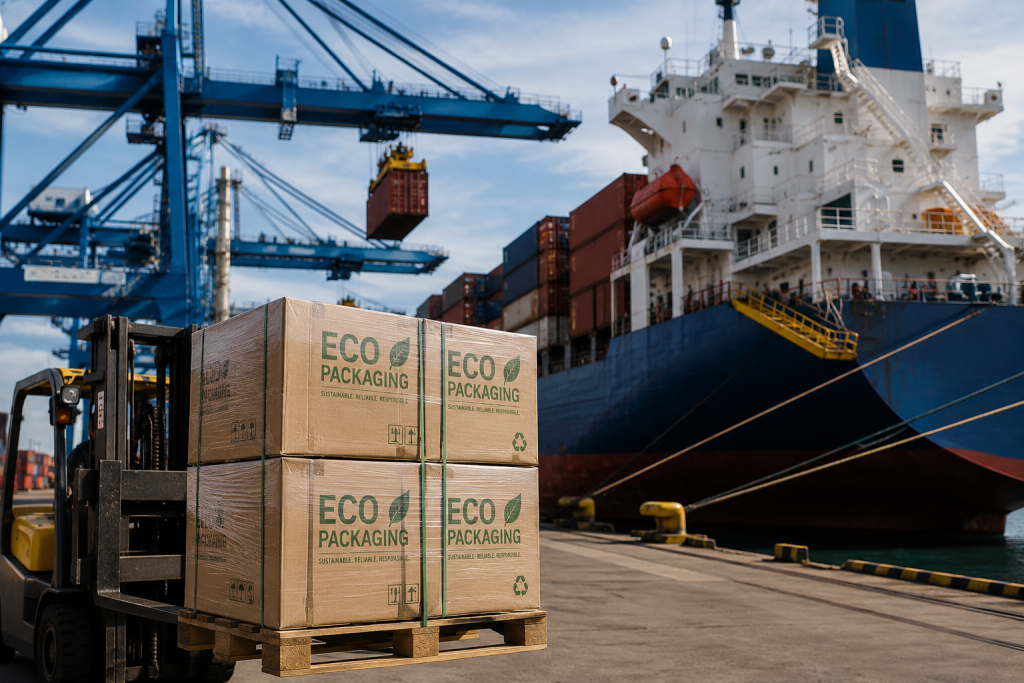
What to consider when taking sustainable packaging into international markets
Expanding into new markets creates opportunity, but it also adds complexity. Packaging is usually one of the first areas where that shows up.
What works in the UK won’t always translate directly overseas, especially when sustainability is part of the conversation. Requirements differ, expectations change and what works in one country may not carry across in the same way somewhere else.
For brands using pouch packaging solutions, this means taking a practical view. It’s less about having one “right” answer and more about making sure packaging works properly in each market you plan to enter.
Sustainability is already expected
In many international markets, sustainability is no longer something that sets a product apart. It is already expected.
Retailers expect brands to make the right decisions on packaging, particularly in categories where waste is highly visible. In some cases, those expectations are driven by regulation. In others, they come from retailer commitments or customer pressure.
Using formats such as EcoLux recyclable pouches or CompostaPouch compostable pouches shows that the material choice has been thought through.
However, simply selecting a sustainable format is not enough on its own. It needs to hold up in the market you are entering and make sense within local systems.
Recycling isn’t the same everywhere
One of the biggest differences between markets is how recycling works.
In the UK, flexible packaging is moving towards wider kerbside collection, but that isn’t the case everywhere. Some countries already have established systems in place, while others rely on store drop-off points or have limited capacity altogether.
This creates a practical issue. A pouch that is recyclable in one country may not be treated the same way somewhere else.
Trying to apply the same packaging approach across every market can lead to confusion.
It is usually more effective to look at each market on its own terms, understand what infrastructure is in place and make decisions accordingly.
Brands that take the time to check this early tend to avoid having to rework packaging once products are already in distribution.
Clear labelling matters
Clarity becomes more important as soon as you start operating in more than one market.
Retailers expect packaging to explain what it is made from and what should be done with it once it has been used.
Broad statements like “eco-friendly” don’t offer much value, and in some regions they can create compliance issues.
Clear instructions make a difference.
When customers understand whether something can be recycled, composted or needs to go into general waste, it removes uncertainty. It also makes the brand feel more reliable because the information is easy to follow.
Well-labelled packaging tends to perform better in retail discussions as well. Buyers want to know that customers won’t be confused.
Performance still matters
Sustainable packaging still needs to work. Exporting makes that even more important.
Products often travel further, are handled more times and may sit in storage for longer before they reach the end customer. Conditions can vary depending on the route, climate and storage environment.
Packaging needs to deal with all of that without affecting product quality.
Choosing the right option within pouch packaging formats matters more when exporting. Barrier performance, seal strength and durability all need to be right from the start.
Recyclable pouches often offer the best balance between protecting the product and reducing environmental impact, particularly for products that need more protection.
Competing in new markets
Entering a new market usually means competing with brands that are already well established.
Packaging affects how quickly a product is understood and picked up.
If customers are unfamiliar with the brand, packaging has to communicate clearly and quickly. It needs to show what the product is and why it is worth choosing.
Pouch formats work well here because they provide a good balance between practicality and presentation. They allow for strong design, clear labelling and easy handling.
That makes it easier for products to stand out without needing to completely rethink the brand for each new market.
Thinking ahead
Packaging requirements are changing in several regions. Across Europe in particular, there is a clear direction towards improved recyclability, clearer labelling and reduced material complexity.
This will keep changing. Thinking ahead when choosing packaging helps avoid making changes later on.
EcoLux recyclable pouches, for example, are designed with future recycling systems in mind.
Choosing the right solution now makes it easier to stay compliant as rules tighten.
Keeping things consistent
At the same time, exporting introduces the challenge of keeping things consistent across markets.
Keeping the core packaging the same helps keep production simple and costs down. However, not everything can stay the same.
Labelling, messaging and sometimes even claims need to reflect local expectations and requirements. In most cases, a balance works best.
Keep the core packaging consistent, but adapt the details where needed. This approach allows brands to scale without overcomplicating the process or creating problems with compliance.
What this means in practice
Exporting with eco pouches is not just about choosing a sustainable material.
It comes down to making sure that packaging works across different systems, meets retailer expectations and performs consistently throughout the supply chain.
Brands that treat packaging as part of their export strategy, rather than treating it as something separate, tend to find it easier to grow. They run into fewer issues and build stronger relationships with retailers.
If you’re planning to expand into new regions, speaking to the team at Readability is a good place to start. We can help you choose pouch solutions that work in practice, both now and as your business grows.

About the Author: Cameron Fisher
Cameron is Readability's marketing and content specialist, with deep knowledge of custom packaging and labels across pouches, cartons and more.